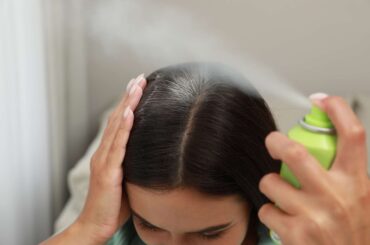
Hair oiling has been a traditional practice for centuries to promote healthy hair and scalp. It involves applying natural oils to the hair and scalp to nourish, moisturize, and protect the hair from damage. This practice is popular in many cultures worldwide, and it has gained popularity in recent years as people seek natural and holistic ways to care for their hair.
Hair oiling is a beauty ritual and a therapeutic practice that can help improve the overall health of your hair and scalp. It can strengthen the hair, prevent breakage, reduce frizz, and promote hair growth. Additionally, hair oiling can help soothe a dry and itchy scalp, reduce dandruff, and improve the overall condition of the hair. With the right oils and proper technique, hair oiling can be a luxurious and effective way to care for your hair.
Benefits of Hair Oiling
There are numerous benefits to incorporating hair oiling into your hair care routine. One of the main benefits is that it helps to moisturize and nourish the hair and scalp. Oils such as coconut, argan, and jojoba oil are rich in vitamins, minerals, and fatty acids that can penetrate the hair shaft and provide deep hydration. This can help improve the hair’s overall texture and appearance, making it softer, smoother, and more manageable.
In addition to moisturizing the hair, hair oiling can also help protect it from damage. Oils create a protective barrier around the hair shaft, which can help prevent damage from heat styling, environmental factors, and chemical treatments. This can help reduce breakage, split ends, and frizz, resulting in healthier and more resilient hair. Furthermore, regular hair oiling can also stimulate blood circulation in the scalp, promoting hair growth and improving the hair follicles’ overall health.
Different Types of Oils for Hair Oiling
Many different types of oils can be used for hair oiling, each with its unique benefits and properties. Some of the most popular oils for hair oiling include coconut oil, argan oil, jojoba oil, almond oil, olive oil, and castor oil. Coconut oil is known for penetrating the hair shaft and providing deep hydration, making it ideal for dry and damaged hair. Argan oil is rich in antioxidants and vitamin E, which can help to protect the hair from environmental damage and improve its overall condition.
Jojoba oil closely resembles the natural oils produced by the scalp, making it an excellent choice for balancing oil production and promoting a healthy scalp. Almond oil is lightweight and easily absorbed, making it suitable for all hair types, while olive oil is rich in vitamins and antioxidants that can nourish and strengthen the hair. Castor oil is known for its ability to promote hair growth and thicken the hair, making it a popular choice for those looking to improve the density of their hair.
How to Properly Oil Your Hair
Properly oiling your hair is essential to ensure you reap this practice’s full benefits. To begin, choose an oil suitable for your hair type and needs. If you have dry or damaged hair, you may opt for a heavier oil such as coconut or castor oil, while those with fine or oily hair may prefer lighter oils such as jojoba or almond oil.
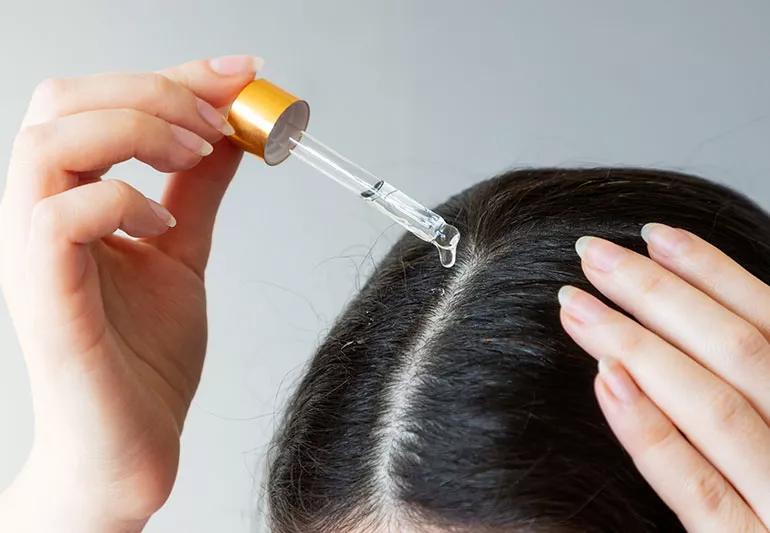
Before applying the oil, it’s important to warm it slightly to improve its absorption into the hair and scalp. You can do this by placing the oil in a bowl of warm water or rubbing it between your palms. Once the oil is warmed, section your hair and apply it evenly from roots to ends, massaging it into the scalp with your fingertips. Be sure to cover all areas of the scalp and hair to ensure the oil is evenly distributed.
After applying the oil, leave it on for at least 30 minutes to allow it to penetrate the hair shaft and nourish the scalp. You can leave the oil on overnight and wash it out in the morning for deeper conditioning. When washing out the oil, use a gentle shampoo and warm water to remove all residue from the hair. Properly oiling your hair regularly can help to improve its overall health and appearance.
Tips for Maximizing the Benefits of Hair Oiling
To maximize the benefits of hair oiling, there are several tips that you can follow to ensure that you are getting the most out of this practice. First, it’s important to choose high-quality oils that are free from additives and chemicals. Look for cold-pressed or unrefined oils that retain their natural nutrients and properties.
Additionally, consider incorporating essential oils into your hair oiling routine to enhance its benefits further. Essential oils such as lavender, rosemary, and peppermint have been shown to promote hair growth, soothe the scalp, and improve the overall health of the hair. Add a few drops of these essential oils to your carrier oil before applying it to your hair.
Another tip for maximizing the benefits of hair oiling is to be consistent with your routine. Regularly oiling your hair can help maintain its health and condition over time. Aim to oil your hair at least once a week or as needed, depending on your hair’s needs and condition.
Finally, consider incorporating other healthy habits into your routine, such as eating a balanced diet, staying hydrated, and minimizing heat styling and chemical treatments. These habits can complement the benefits of hair oiling and contribute to healthier and more beautiful hair.
Common Myths About Hair Oiling
Several common myths about hair oiling have led to misconceptions about this practice. One common myth is that applying more oil will lead to better results. In reality, excessive amounts of oil can weigh down the hair and make it greasy and difficult to wash out. It’s important to use moderate oil and focus on proper application techniques to ensure you get the most out of this practice.
Another myth is that certain oils can miraculously cure all hair problems. While oils can help improve the condition of the hair and scalp, they are not a cure-all for all hair issues. It’s important to address the underlying problems such as diet, stress, and hormonal imbalances and use oils for optimal results.
Some believe leaving oil on the scalp for extended periods will yield better results. However, leaving oil on too long can lead to clogged pores and an imbalance in scalp oil production. Following proper guidelines for leaving oil on the scalp and washing it thoroughly is important to avoid any potential issues.
Conclusion and Final Thoughts on Hair Oiling
In conclusion, hair oiling is a time-honored practice that offers numerous benefits for hair health and appearance. By choosing high-quality oils, properly applying them to your hair and scalp, and being consistent with your routine, you can maximize the benefits of this practice. Additionally, incorporating other healthy habits into your routine can complement the effects of hair oiling and contribute to overall healthier hair.
While many myths surround hair oil, it’s important to approach this practice with realistic expectations and proper techniques. You can enjoy stronger, healthier, and more beautiful hair through regular hair oiling with patience and dedication. Whether you have dry, damaged, or frizzy hair or want to maintain the health of your locks, incorporating hair oiling into your routine can be a luxurious and effective way to care for your hair.