Red light therapy, also known as low-level laser therapy (LLLT) or photobiomodulation, is a non-invasive treatment that utilizes red and near-infrared light to stimulate cellular repair and enhance various physiological functions. This therapy involves exposing the skin to specific wavelengths of light, which cells absorb to promote healing and regeneration. Research has explored the potential benefits of red light therapy for a range of conditions, including dermatological issues, pain management, and mental health disorders.
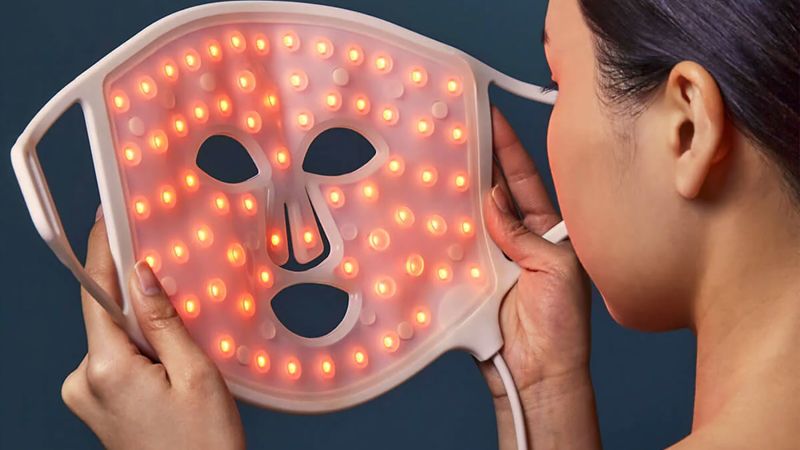
This therapy’s red and near-infrared light penetrates the skin to approximately 8-10 millimeters, reaching cellular structures and initiating a series of beneficial reactions. These reactions include increased production of adenosine triphosphate (ATP), the primary energy source for cells, and the release of nitric oxide, which enhances blood flow and reduces inflammation. Studies have also shown that red light therapy can stimulate the production of collagen and elastin, proteins crucial for maintaining healthy and youthful skin.
The overall effect of red light therapy is believed to positively impact cellular function, improving skin health and general well-being. Red light therapy can be administered through various methods, including specialized devices like red light therapy masks. These masks are designed to deliver targeted red and near-infrared light to the skin, offering a convenient option for at-home use.
As the popularity of this therapy grows, an increasing number of individuals are exploring red light therapy as a natural and non-invasive approach to improving skin health and overall wellness.
Benefits of Red Light Therapy for Skin
Boosting Collagen Production
One key benefit of red light therapy is its ability to stimulate collagen production. Collagen is a protein that provides structure and elasticity to the skin, helping to maintain its firmness and smoothness. As we age, collagen production naturally decreases, developing fine lines, wrinkles, and sagging skin. By stimulating collagen production, red light therapy can help to reduce the appearance of these signs of aging, leading to a more youthful and radiant complexion.
Improving Skin Texture and Elasticity
In addition to stimulating collagen production, red light therapy also promotes the production of elastin, another important protein for skin health. Elastin helps the skin maintain flexibility and resilience, allowing it to bounce back from stretching and movement. By increasing elastin production, red light therapy can help to improve skin texture and reduce the appearance of wrinkles and fine lines. Furthermore, red light therapy has been shown to improve blood circulation, which can help to deliver essential nutrients and oxygen to the skin, promoting overall skin health and vitality.
Reducing Inflammation and Promoting Healing
Another notable benefit of red light therapy for the skin is its ability to reduce inflammation and promote healing. This therapy’s red and near-infrared light can help calm irritated skin, reduce redness, and accelerate healing wounds and blemishes. This makes red light therapy a valuable tool for those dealing with acne, rosacea, or other inflammatory skin conditions. Overall, red light therapy offers a range of benefits for the skin, making it a versatile and effective treatment option for improving skin health and appearance.
How to Use a Red Light Therapy Mask
A red light therapy mask is simple and can easily be incorporated into your skincare routine. Before using the mask, starting with clean, dry skin is important. This will ensure that the red and near-infrared light can penetrate the skin effectively and deliver beneficial effects.
Once your skin is clean and dry, you can put on the red light therapy mask and adjust it to fit comfortably on your face. Most masks come with adjustable straps or hooks to ensure a secure fit. Once the mask is in place, you can turn it on and relax for the recommended treatment.
Most red light therapy masks have built-in timers that automatically shut off after the recommended treatment duration, typically around 10-20 minutes. During this time, you can relax while the mask delivers rejuvenating light therapy to your skin. It’s important to keep your eyes closed during the treatment to protect them from the bright light emitted by the mask.
After the treatment, you can remove the mask and continue your regular skincare routine. Some people prefer to apply their favorite serums or moisturizers after using the mask to enhance the benefits of red light therapy further. Regularly using a red light therapy mask can help improve skin texture, reduce the appearance of fine lines and wrinkles, and promote overall skin health.
Choosing the Right Red Light Therapy Mask
| Criteria | Red Light Therapy Mask |
|---|---|
| Wavelength | 620-700 nm |
| Power Output | At least 100 mW/cm² |
| Number of LEDs | At least 100 LEDs |
| Adjustable Settings | Intensity and timer settings |
| Comfort | Lightweight and comfortable fit |
When choosing a red light therapy mask, several factors must be considered to ensure you select the right option. One of the most important considerations is the wavelength of light the mask emits. Red light therapy masks typically use a combination of red (630-700nm) and near-infrared (700-850nm) wavelengths to deliver their therapeutic effects.
Choosing a mask that emits red and near-infrared light is important to ensure you receive the full range of benefits associated with this therapy. Another important factor to consider when choosing a red light therapy mask is the power output or intensity of the light. Higher power output typically means the mask will deliver therapeutic light doses to the skin more effectively.
Look for a mask with sufficient power output to ensure optimal treatment results. Additionally, consider the mask’s design and comfort. Look for a lightweight, comfortable mask with adjustable straps or hooks to ensure a secure fit.
Some masks also come with additional features, such as built-in timers or customizable treatment programs, which can enhance the convenience and effectiveness of your treatments. Finally, consider any extra features or accessories that may be important to you. Some masks come with additional LED colors or treatment modes for targeting specific skin concerns, while others may include eye protection or additional skincare products to complement your treatments.
Considering these factors, you can choose a red light therapy mask that meets your needs and preferences.
Incorporating Red Light Therapy into Your Skincare Routine
Incorporating red light therapy into your skincare routine can enhance overall skin health and address specific concerns such as aging or acne. One of the key benefits of red light therapy is its versatility, making it suitable for use alongside other skincare products and treatments. To incorporate red light therapy into your skincare routine, determine how often you would like to use your red light therapy mask.
Most people find that using the mask 3-5 times weekly yields optimal results, but you can adjust this based on your needs and schedule. Once you have established a treatment schedule, you can integrate your red light therapy treatments into your skincare routine. For example, you may use your red light therapy mask after cleansing your skin in the evening before applying your favorite serums or moisturizers.
Alternatively, you may prefer to use the mask in the morning as part of your morning skincare routine. By incorporating red light therapy into your routine, you can easily reap the benefits of this rejuvenating treatment without adding significant time or effort to your daily regimen. In addition to using a red light therapy mask on its own, you may also consider combining it with other skincare treatments or products for enhanced results.
For example, using a hyaluronic acid serum or moisturizer after your red light therapy treatments can help lock in moisture and further plump the skin. Similarly, incorporating exfoliating treatments or masks into your routine can enhance the effects of red light therapy by promoting cell turnover and improving product penetration.
Potential Side Effects and Precautions
Common Side Effects
One of red light therapy’s most common side effects is mild irritation or sensitivity in the treated area. This may manifest as redness or warmth in the skin immediately following treatment but typically resolves within a few hours. If you experience persistent or severe irritation after using a red light therapy mask, it’s important to discontinue use and consult with a healthcare professional.
Photosensitivity and Sun Protection
Another potential side effect of red light therapy is an increase in photosensitivity. This means that after receiving red light therapy treatments, your skin may be more sensitive to sunlight than usual. Protecting your skin from excessive sun exposure, using sunscreen, and wearing protective clothing outdoors following red light therapy treatments are important.
Precautions and Safety Measures
Additionally, certain precautions should be taken when using a red light therapy mask. For example, it’s important to avoid looking directly at the lights emitted by the mask during treatment to protect your eyes from potential damage. Some masks have built-in eye protection or goggles for added safety during treatments. Suppose you have any underlying medical conditions or are taking medications that may increase photosensitivity or affect your skin’s response to light. Consulting with a healthcare professional before starting red light therapy treatments is important in that case. By being aware of potential side effects and taking appropriate precautions, you can safely enjoy the benefits of red light therapy for your skin.
Tips for Maximizing the Benefits of Red Light Therapy
Several tips and best practices can help you maximize the benefits of red light therapy for your skin. First and foremost, consistency is key to seeing results from red light therapy treatments. Aim to use your red light therapy mask regularly according to the recommended treatment schedule to ensure optimal benefits from this rejuvenating treatment.
In addition to consistency, using your red light therapy mask correctly is important to maximize its effectiveness. This includes starting with clean, dry skin before each treatment and ensuring the mask is positioned securely on your face for even exposure. Following these best practices will help you receive consistent and effective treatments from your red light therapy mask.
Another tip for maximizing the benefits of red light therapy is to complement your treatments with other skincare products and treatments as needed. For example, using a high-quality moisturizer or serum after your red light therapy treatments can help lock in moisture and enhance the rejuvenating effects on your skin. Finally, patience is important when incorporating red light therapy into your skincare routine.
While some people may see immediate improvements in their skin after starting red light therapy treatments, others may take longer to notice significant changes. By staying consistent with your treatments and following these tips for maximizing benefits, you can enjoy improved skin health and appearance with red light therapy. In conclusion, red light therapy offers a range of benefits for the skin, making it a versatile and effective treatment option for improving skin health and appearance.
By understanding how red light therapy works and using a mask effectively, you can confidently incorporate this rejuvenating treatment into your skincare routine. With proper precautions and best practices, you can safely enjoy the benefits of red light therapy for your skin while maximizing its effectiveness for optimal results.
FAQs
What is a red light therapy mask?
A red light therapy mask is a wearable device that emits red and near-infrared light to the skin. It is designed to provide the benefits of red light therapy in a convenient and portable form.
How does a red light therapy mask work?
Red light therapy masks work by emitting specific wavelengths of red and near-infrared light that penetrate the skin and stimulate cellular energy production. This can improve skin health, reduce inflammation, and enhance wound healing.
What are the benefits of using a red light therapy mask?
Some potential benefits of using a red light therapy mask include improved skin tone and texture, reduced wrinkles and fine lines, enhanced collagen production, and accelerated wound healing. It may also help reduce inflammation and promote overall skin health.
Is red light therapy safe to use?
Red light therapy is generally considered safe when used as directed. However, to prevent potential eye damage, following the manufacturer’s instructions and avoiding looking directly at the light source is important. It is also advisable to consult with a healthcare professional before using red light therapy, especially for individuals with certain medical conditions or taking medications that may increase sensitivity to light.
How often should I use a red light therapy mask?
The frequency of using a red light therapy mask can vary depending on individual needs and the specific device used. It is recommended that users follow the manufacturer’s guidelines for the recommended treatment duration and frequency. Typically, users may start with a few weekly sessions and adjust based on their skin’s response.
Are there any potential side effects of using a red light therapy mask?
Red light therapy is generally considered safe and well-tolerated when used as directed. However, some individuals may experience mild side effects such as temporary redness or irritation. To minimize the risk of adverse reactions, starting with shorter sessions and gradually increasing the duration is important. If any concerns arise, it is advisable to discontinue use and consult with a healthcare professional.