You can always find a solution in nature. The same stands true if you’re trying to get a flawless, radiant, and spot-free skin tone. Be it dark spots, acne scars, or even age spots, there’s always a natural hack to reduce the appearance of these pesky marks.
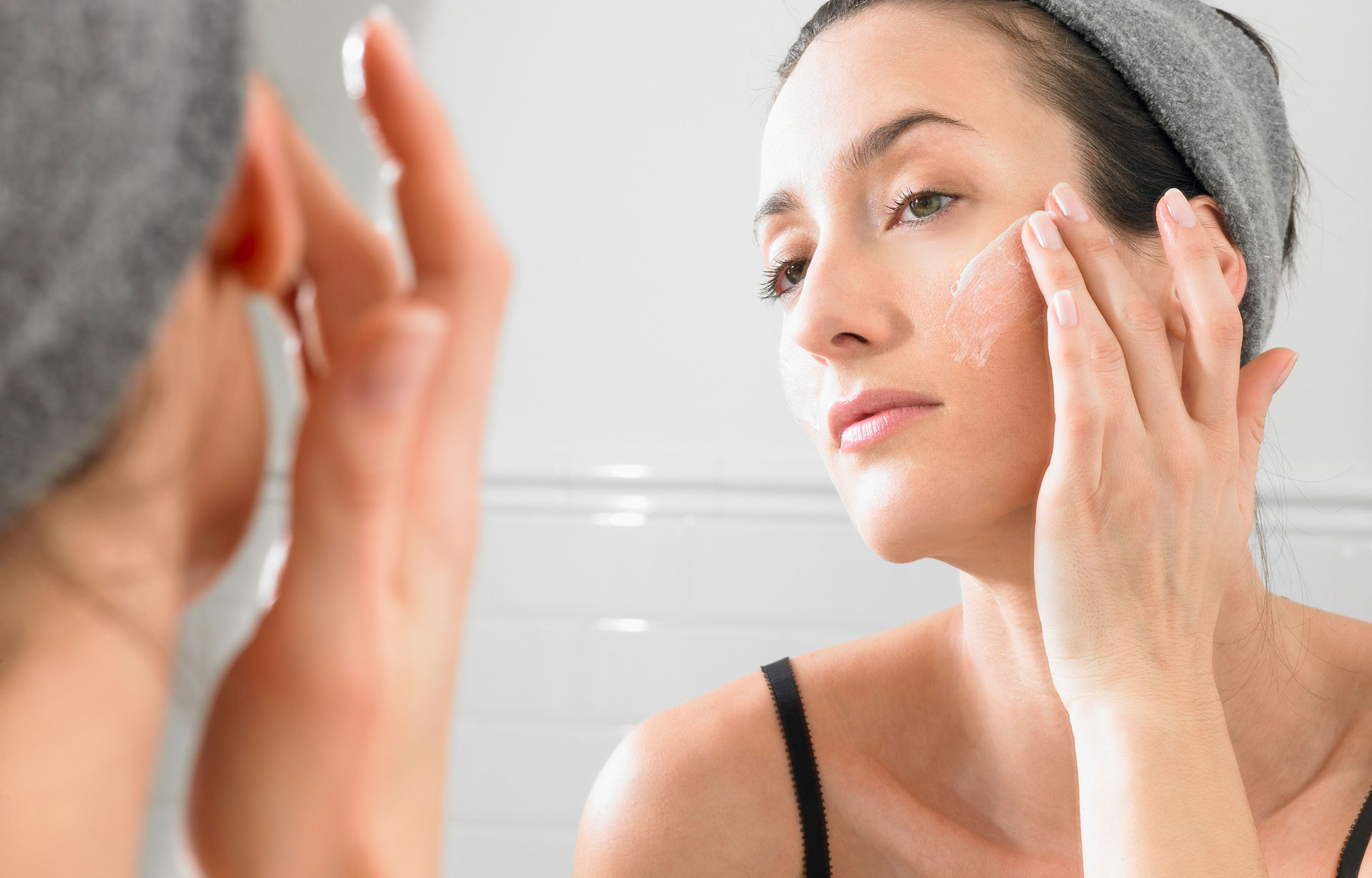
So if pigmentation is putting a damper on your look, read on to learn how to reduce hyperpigmentation with gentle, natural methods.
1. Aloe Vera
Aloe has long been the answer to most of your skincare problems. It’s the answer to pigmentation, too. Aloe Vera contains aloin, a compound known to help lighten skin and reduce the appearance of dark spots. This household plant can also help you calm inflammation, which is especially helpful in cases where hyperpigmentation is caused by acne flare-ups. Applying fresh aloe vera gel, or even cooled aloe, directly to your skin or via skincare products may help lighten pigmentation over time.
2. Green Tea Extract
Rich in antioxidants, green tea helps reduce skin inflammation and promotes the healing of damaged skin cells. According to studies, the polyphenols in green tea, particularly EGCG (epigallocatechin gallate), can reduce melanin production and lighten dark spots. Applying green tea extract or using skincare products with green tea can help reduce pigmentation over time. This natural ingredient is also vital for soothing can, which may lead to post-inflammatory hyperpigmentation. Drinking green tea regularly also supports skin health from within.
3. Licorice Extract
Licorice extract is often labeled as Glycyrrhiza in your skincare products. This naturally occurring ingredient has glabridin, which is known to inhibit melanin production and help reduce the appearance of dark spots and uneven skin tone. It has been used for centuries in traditional medicine for its skin-brightening properties and is a great option for those with sensitive skin, as it is gentle and non-irritating. Look for skincare products that contain Glycyrrhiza to help fade hyperpigmentation naturally.
4. Sun Protection
One of the most important steps in reducing hyperpigmentation is protecting your skin from further sun damage. Sun exposure can worsen existing dark spots and trigger the development of new ones. Sun protection with scarves, hats, and broad-spectrum sunscreen with an SPF of 50+ or higher is essential every day. These options cause minimal interference with your skin while protecting it from long-term damage.
5. Consistent Skincare
Extreme hyperpigmentation is often only dealt with via clinical procedures. This is why it’s best to prevent concern rather than treat it. This is why learning how to treat hyperpigmentation via regular skincare is vital. Start with cleansers and toners before you move on to products with anti-pigmentation treatments like Thiamidol. Skin serums and creams with gentle and thoroughly tested ingredients like Thiamidol help you counter hyperpigmentation while restoring an even skin tone. You can also use facial tools and ice rollers to stimulate blood circulation during your skincare.
Wrapping it Up!
Learning how to treat hyperpigmentation is not an overnight process. It requires you to follow consistent skin regimens while being patient about your results. While natural solutions are a great way to start, try to complement them with a solid skincare routine with ingredients like Thiamidol to see faster, more visible results. Trust in the power of natural remedies and welcome a holistic, stress-regulated lifestyle to enjoy healthy, radiant skin.