Cleansing your face is a key step in any skincare routine, but when it comes to timing, is it more beneficial to wash your face in the morning or at night? The answer depends on your skin’s needs and the goals of your routine. This guide breaks down the purpose of cleansing at different times of the day and how it impacts your skin. So, let’s hop right into it!
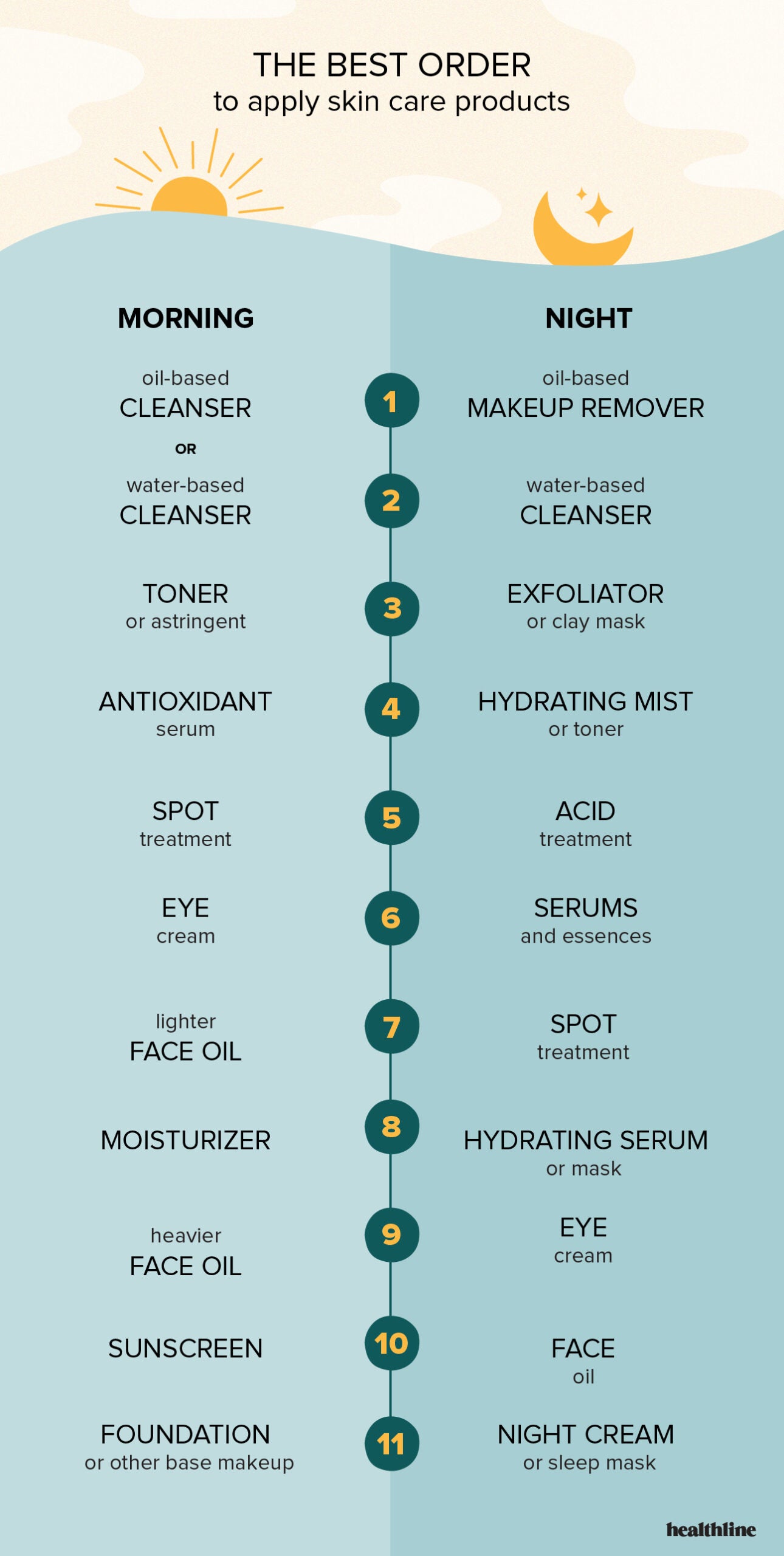
1. Why Morning Face Wash Matters
After a good night’s sleep, your skin deserves a fresh start. Overnight, your skin produces oils, sheds dead cells, and comes into contact with sweat or bacteria from your pillowcase.
Benefits of Morning Cleansing:
- Removes excess oil and sweat accumulated overnight.
- Prep your skin for better absorption of daytime products like serums, moisturize your skin, and apply sunscreen.
- Refreshes your skin, leaving it hydrated and radiant.
Best Practice: Use the best cleanser in the morning to avoid stripping your skin of its natural moisture.
2. The Importance of Night Cleansing
Nighttime cleansing is non-negotiable. Throughout the day, your skin is exposed to dirt, pollution, and makeup that can clog pores and accelerate ageing if not removed.
Benefits of Night Cleansing:
- Removes makeup, sunscreen, and impurities that build up during the day.
- Allows your skin to breathe and repair itself overnight.
- Creates a clean slate for applying nourishing nighttime skincare products.
Best Practice: Double cleanse if you wear heavy makeup or sunscreen—a cleansing oil followed by a mild face wash works best.
3. How Morning and Night Cleansing Differ
Morning Cleansing:
Purpose: Refreshes and preps the skin for the day.
Product Choice: Gentle, hydrating cleansers are ideal to avoid over-stripping the skin.
Key Ingredients: Look for soothing ingredients like aloe vera, glycerin, or rose water to maintain hydration.
Night Cleansing:
Purpose: Removes dirt, makeup, and pollutants while allowing the skin to repair overnight.
Product Choice: Opt for deep-cleansing or makeup-removing products like micellar water, cleansing oils, or foaming face washes.
Key Ingredients: Ingredients like salicylic acid for acne-prone skin or nourishing oils for hydration work best.
4. Common Mistakes to Avoid
- Skipping Night Cleansing: Leaving makeup or dirt on your skin overnight can clog pores, leading to acne and dullness.
- Using Harsh Cleansers in the Morning: Over-cleansing in the morning can disrupt your skin’s moisture barrier, causing dryness and irritation.
- Not Adjusting for Skin Type: Oily skin may need a more thorough cleanse, while dry or sensitive skin benefits from gentler options.
Can You Skip One?
While night cleansing is non-negotiable, some argue that morning cleansing can be skipped if your skin doesn’t feel oily or dirty. However, even rinsing with water or using a mild cleanser can help prepare your skin for the day ahead. Therefore, you should ideally wash your face twice a day for a better skin cleansing experience.
Conclusion
Both morning and night face washes serve unique purposes in maintaining healthy skin. Cleansing in the morning refreshes your skin and prepares it for the day, while nighttime cleansing ensures your skin is free of dirt and makeup, setting the stage for repair and rejuvenation. For the best results, make both a part of your skincare routine, tailored to your skin type and needs.